Understanding Biomechanics for Effective Pain Management
- Sam Bayliss
- Apr 6
- 4 min read

Pain is a universal experience, yet its management can be complex and multifaceted. One of the most effective approaches to understanding and alleviating pain is through biomechanics. This field studies the mechanical aspects of living organisms, focusing on how our bodies move and function. By understanding biomechanics, we can develop better strategies for pain management, enhance rehabilitation, and improve overall physical performance.
In this blog post, we will explore the principles of biomechanics, its application in pain management, and practical strategies for integrating these concepts into everyday life.
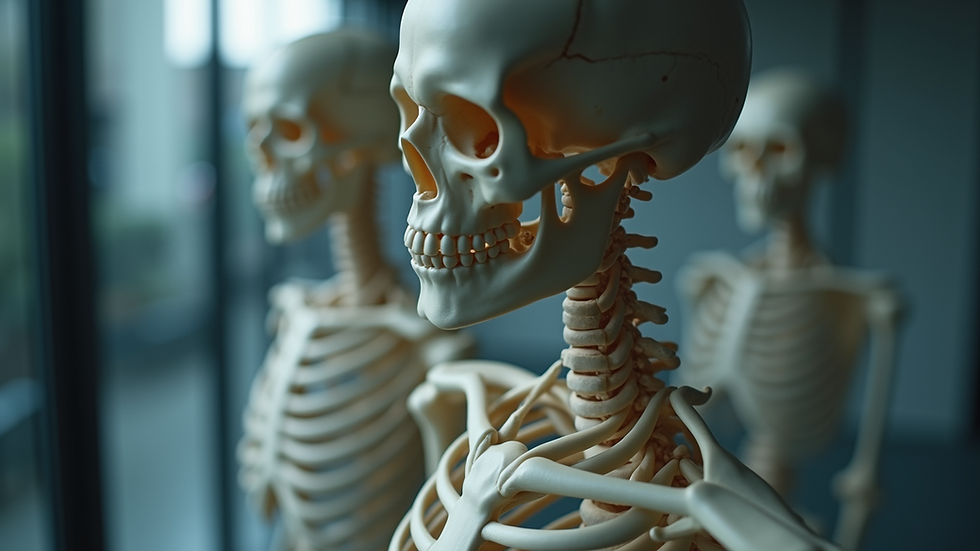
What is Biomechanics?
Biomechanics is the science that examines the forces acting on and within a biological structure and the effects produced by these forces. It combines principles from physics, engineering, and biology to analyze how our bodies move.
Key Components of Biomechanics
Kinematics: This aspect focuses on the motion of bodies without considering the forces that cause the motion. It includes the study of displacement, velocity, and acceleration.
Kinetics: Kinetics deals with the forces that cause motion. It examines how these forces affect the body and can lead to pain or injury.
Tissue Mechanics: This area studies how biological tissues respond to mechanical loads. Understanding tissue mechanics is crucial for developing effective treatment strategies for pain.
The Importance of Biomechanics in Pain Management
Understanding biomechanics is essential for effective pain management for several reasons:
Identifying the Source of Pain: By analyzing movement patterns and forces, healthcare professionals can pinpoint the underlying causes of pain, whether it be due to muscle imbalances, joint dysfunction, or improper movement techniques.
Preventing Injuries: Knowledge of biomechanics helps in designing preventive strategies to avoid injuries. This is particularly important for athletes and individuals engaged in physical activities.
Guiding Rehabilitation: Biomechanical assessments can inform rehabilitation programs, ensuring that exercises are tailored to the individual's needs and limitations.
Common Pain Conditions and Their Biomechanical Implications
Several common pain conditions can be better understood through the lens of biomechanics. Here are a few examples:
Lower Back Pain
Lower back pain is one of the most prevalent forms of pain. Biomechanical factors such as poor posture, improper lifting techniques, and muscle imbalances can contribute to this condition.
Posture: Maintaining a neutral spine is crucial. Slouching or leaning forward can place excessive stress on the lumbar spine, leading to pain.
Movement Patterns: Engaging in repetitive motions without proper technique can lead to overuse injuries. For instance, lifting heavy objects with a rounded back can strain the lower back muscles.
Knee Pain
Knee pain can arise from various biomechanical issues, including misalignment and muscle weakness.
Alignment: The alignment of the knee joint is critical. Misalignment can lead to uneven wear on the cartilage, resulting in pain and inflammation.
Muscle Strength: Weakness in the quadriceps or hamstrings can alter the mechanics of the knee joint, leading to pain during activities like walking or climbing stairs.
Shoulder Pain
Shoulder pain often results from biomechanical dysfunctions, such as rotator cuff injuries or impingement syndromes.
Rotator Cuff Mechanics: The rotator cuff muscles stabilize the shoulder joint. Weakness or imbalance in these muscles can lead to improper movement patterns, causing pain.
Overhead Activities: Engaging in repetitive overhead activities without proper mechanics can lead to impingement and pain in the shoulder.
Practical Strategies for Integrating Biomechanics into Pain Management
Understanding biomechanics is only the first step. Here are practical strategies to incorporate these principles into pain management:
1. Conduct a Biomechanical Assessment
A thorough biomechanical assessment can help identify movement dysfunctions and pain sources. This assessment may include:
Gait Analysis: Observing how a person walks can reveal issues in lower limb mechanics.
Postural Evaluation: Assessing posture can highlight areas of tension and potential pain sources.
2. Focus on Strengthening and Flexibility
Incorporating strength and flexibility exercises can improve biomechanics and reduce pain.
Strength Training: Targeting weak muscle groups can help restore balance and improve movement patterns. For example, strengthening the core can alleviate lower back pain.
Flexibility Exercises: Stretching tight muscles can enhance range of motion and reduce strain on joints. Incorporating yoga or dynamic stretching can be beneficial.
3. Educate on Proper Movement Techniques
Teaching individuals proper movement techniques can prevent injuries and manage pain effectively.
Lifting Techniques: Educating on how to lift heavy objects safely can reduce the risk of lower back injuries.
Ergonomics: Providing guidance on ergonomic setups for workstations can alleviate strain on the body, particularly for those who sit for extended periods.
4. Incorporate Manual Therapy
Manual therapy techniques, such as physical therapy or chiropractic adjustments, can help address biomechanical issues.
Physical Therapy: A physical therapist can design a personalized rehabilitation program that focuses on correcting movement patterns and strengthening weak areas.
Chiropractic Care: Chiropractors can help realign joints and improve biomechanics, which may alleviate pain.
5. Utilize Technology
Advancements in technology can aid in biomechanical assessments and pain management.
Wearable Devices: Devices that track movement patterns can provide valuable data for identifying biomechanical issues.
Virtual Reality: VR technology can simulate environments for rehabilitation, allowing individuals to practice movement patterns in a controlled setting.
Conclusion
Understanding biomechanics is crucial for effective pain management. By analyzing how our bodies move and the forces acting upon them, we can identify the sources of pain, prevent injuries, and develop targeted rehabilitation strategies.
Incorporating biomechanical principles into daily life can lead to improved physical performance and a better quality of life. Whether you are an athlete, a fitness enthusiast, or someone dealing with chronic pain, understanding biomechanics can empower you to take control of your health.
Take the first step today by assessing your movement patterns and seeking professional guidance to enhance your biomechanics. Remember, effective pain management is not just about treating symptoms; it’s about understanding the body’s mechanics and making informed choices for a healthier future.


Comments